El futuro de la cirugía vascular: tendencias e innovaciones
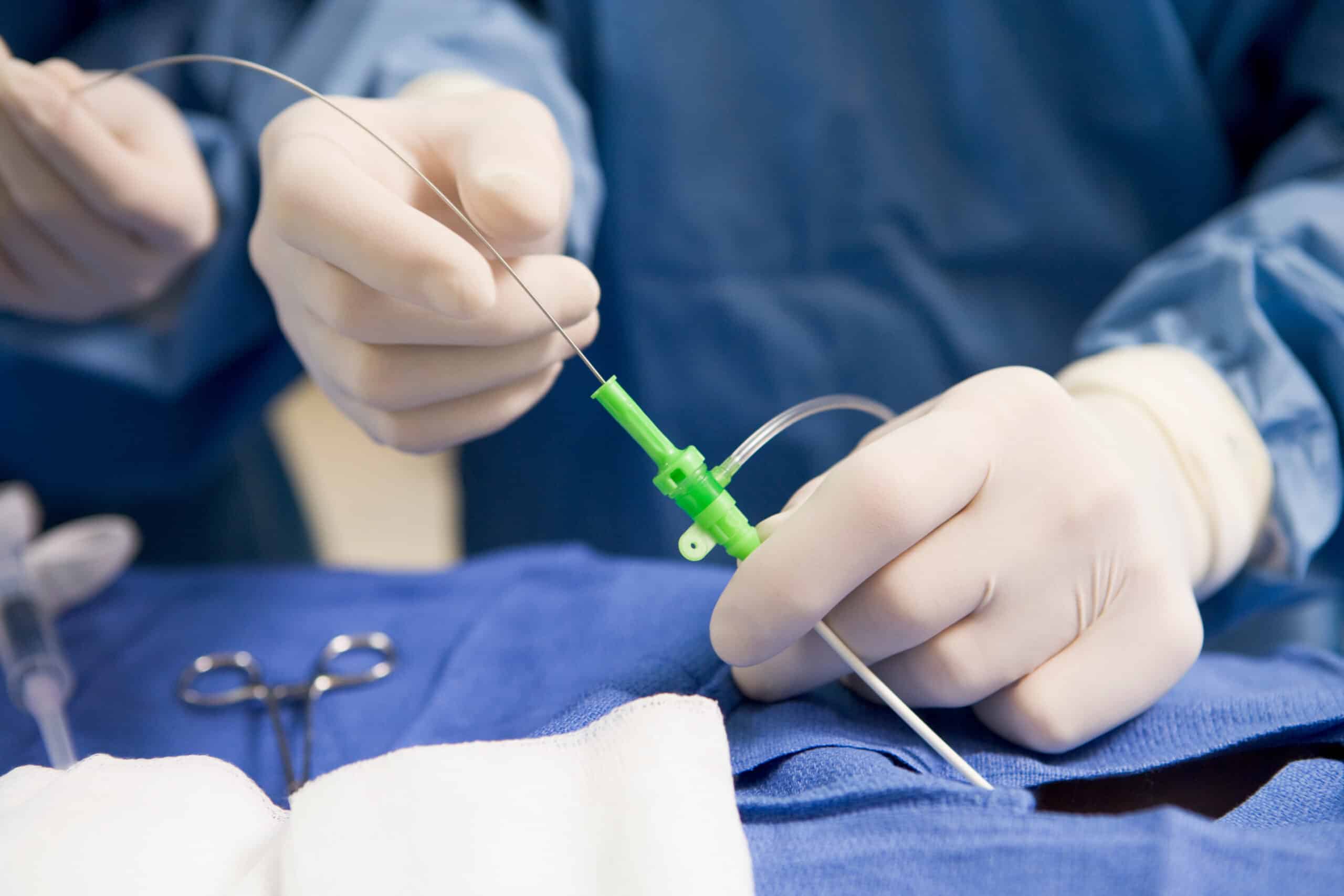
La cirugía vascular ha experimentado una notable transformación en las últimas décadas, pasando de procedimientos quirúrgicos principalmente abiertos a enfoques endovasculares mínimamente invasivos. Al mirar hacia el futuro, innovaciones emocionantes prometen revolucionar aún más la manera en que tratamos la enfermedad vascular.
La revolución mínimamente invasiva
La tendencia hacia procedimientos menos invasivos continúa acelerándose:
- Las técnicas endovasculares ahora tratan condiciones que antes requerían cirugía mayor.
- Las incisiones más pequeñas significan una recuperación más rápida y menos complicaciones.
- Los procedimientos vasculares ambulatorios son cada vez más comunes.
- Los enfoques híbridos combinan lo mejor de las técnicas abiertas y endovasculares.
Tecnologías avanzadas de imagen
Una mejor visualización está transformando la atención vascular:
- Imágenes 3D: La tomografía computarizada y la resonancia magnética crean mapas detallados del sistema vascular para una planificación precisa de los procedimientos.
- Imagen por fusión: Los rayos X en tiempo real combinados con imágenes de tomografía computarizada previas al procedimiento mejoran la precisión.
- Ultrasonido intravascular (IVUS): Proporciona vistas detalladas desde el interior de los vasos sanguíneos.
- Tomografía de coherencia óptica (OCT): Imagen de alta resolución de las paredes de los vasos.
Robótica y automatización
Los sistemas robóticos están comenzando a impactar la cirugía vascular:
- Navegación robótica de catéteres para mayor precisión.
- Reducción de la exposición a la radiación tanto para los pacientes como para los médicos.
- Mayor capacidad para tratar lesiones complejas.
- Potencial para realizar procedimientos a distancia en áreas con escasos recursos médicos.
Dispositivos de nueva generación
La innovación en dispositivos vasculares continúa:
- Balones recubiertos de fármacos: Administran medicamentos directamente en las arterias enfermas durante la angioplastia.
- Stents biorresorbibles: Se disuelven con el tiempo después de que la arteria sana, evitando implantes permanentes.
- Injertos impresos en 3D a medida: Dispositivos específicos para el paciente según anatomías complejas.
- Stents inteligentes: Dispositivos con sensores para monitorear el flujo sanguíneo y detectar problemas.
Terapia génica y medicina regenerativa
Los enfoques biológicos de vanguardia son prometedores:
- Terapia génica para promover el crecimiento de vasos sanguíneos en arterias bloqueadas.
- Tratamientos con células madre para reparar vasos dañados.
- Vasos sanguíneos fabricados con ingeniería de tejidos a partir de células del propio paciente.
- Terapias para prevenir la reestenosis (re-estrechamiento) después de los procedimientos.
Inteligencia artificial y aprendizaje automático
La inteligencia artificial está comenzando a impactar la atención vascular:
- Análisis automatizado de estudios de imagen.
- Predicción de qué pacientes se beneficiarán más de la intervención.
- Estratificación del riesgo y predicción de resultados.
- Optimización de la planificación del tratamiento.
Atención centrada en el paciente
El futuro también hace hincapié en mejorar la experiencia del paciente:
- Más procedimientos realizados en entornos ambulatorios.
- Tiempos de recuperación más rápidos con protocolos de recuperación mejorados.
- Monitoreo remoto de pacientes después de los procedimientos.
- Telemedicina para seguimiento y atención continua.
Mirando hacia el futuro
El futuro de la cirugía vascular es prometedor, con innovaciones que prometen mejores resultados, recuperación más rápida y más opciones de tratamiento para los pacientes con enfermedad vascular. En Peak Heart & Vascular, continuamos comprometidos con adoptar los avances comprobados que benefician a nuestros pacientes.