Reciba el Año Nuevo con un Corazón Saludable

La víspera de Año Nuevo es una época de celebración, reflexión y, con frecuencia, de excesos. Sin embargo, también es una noche en que el riesgo del síndrome del corazón festivo se incrementa notablemente. Esta condición temporal hace referencia a ritmos cardíacos irregulares —como la fibrilación auricular (FA)— que pueden aparecer en personas por lo demás sanas, generalmente desencadenados por el consumo excesivo de alcohol, la sobrealimentación y el estrés asociado a las celebraciones navideñas.
Si bien el síndrome del corazón festivo suele resolverse por sí solo, los síntomas —que incluyen palpitaciones, dificultad para respirar y mareos— pueden resultar incómodos y alarmantes. Estudios sugieren que las visitas a urgencias por problemas del ritmo cardíaco aumentan hasta un 30% durante las fiestas, y que el consumo excesivo de alcohol se relaciona con un riesgo cinco veces mayor de fibrilación auricular.
Por Qué Ocurre el Síndrome del Corazón Festivo
- Consumo Excesivo de Alcohol: El alcohol se consume con mayor libertad durante las celebraciones navideñas. Los excesos pueden provocar ritmos cardíacos irregulares, presión arterial elevada y deshidratación.
- Sobrealimentación y Alimentos Poco Saludables: Los alimentos festivos ricos, salados y grasos pueden causar elevaciones temporales de la presión arterial y otros síntomas.
- Niveles Elevados de Estrés: Organizar reuniones, viajar y cumplir con los plazos laborales de fin de año puede elevar los niveles de estrés, así como la presión arterial y la frecuencia cardíaca.
- Clima Frío: El clima invernal contrae los vasos sanguíneos, elevando la presión arterial y añadiendo tensión al organismo.
- Abandono de las Rutinas de Salud Habituales: Durante las fiestas, suele descuidarse el ejercicio regular, la alimentación saludable y las rutinas de medicación.
Consejos para Proteger Su Corazón Durante las Fiestas
- Consuma Alcohol con Moderación: Limite el alcohol a una bebida al día para las mujeres y dos para los hombres. Manténgase hidratado alternando las bebidas alcohólicas con agua.
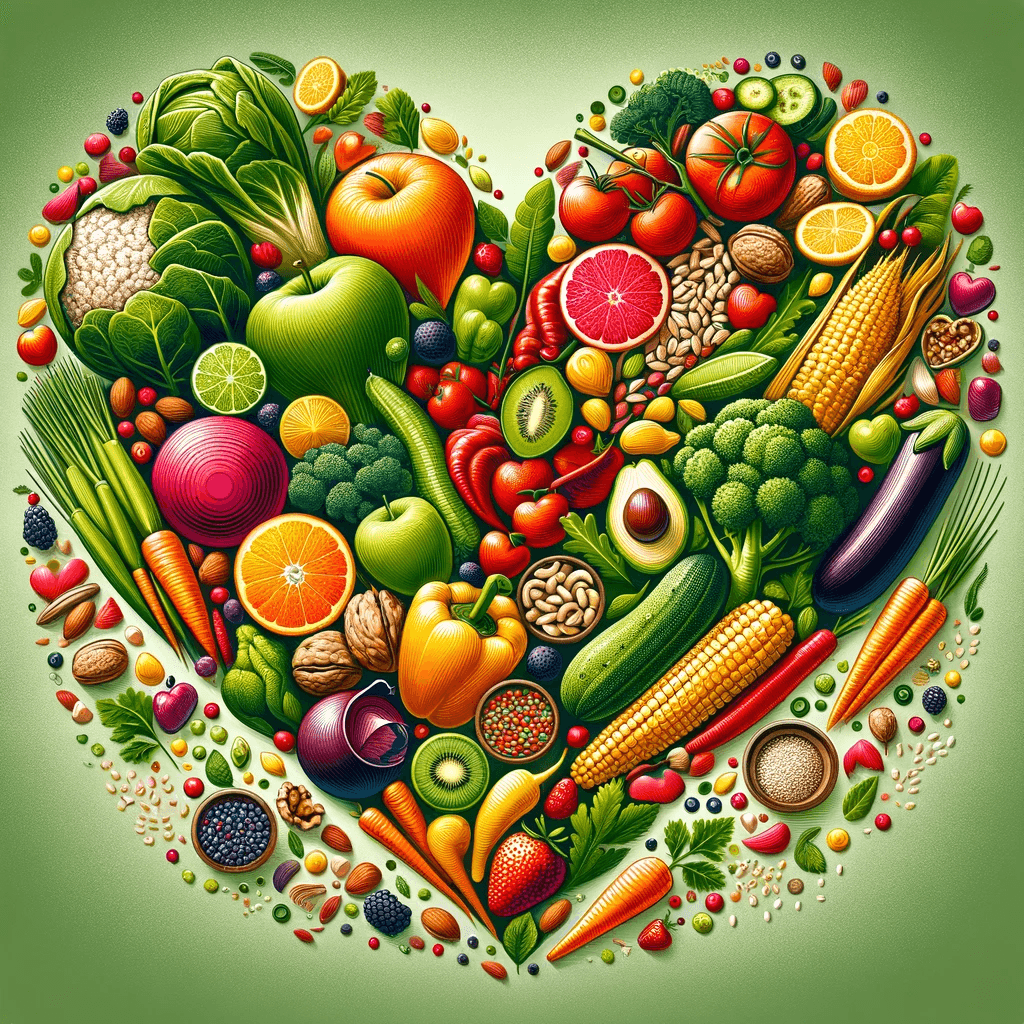
- Elija Alimentos Saludables para el Corazón: Equilibre las comidas indulgentes con frutas, verduras, cereales integrales y proteínas magras.
- Gestione el Estrés: Incorpore técnicas de relajación como la respiración profunda, la meditación o el yoga.
- Manténgase Activo: Reserve tiempo para hacer actividad física, aunque sea una caminata de 20 minutos.
- Siga su Rutina de Medicación: No omita medicamentos ni citas médicas.
- Abríguese: Si va a salir con clima frío, vista en capas para mantenerse caliente.
La víspera de Año Nuevo debe ser una época de alegría y celebración, no de preocupaciones de salud. Si tiene presente los factores que contribuyen al síndrome del corazón festivo y toma medidas preventivas, podrá protegerse a usted y a sus seres queridos. Disfrute las festividades con seguridad y comience el nuevo año con una mentalidad orientada a la salud del corazón.