Are You at Risk for Developing Peripheral Artery Disease (PAD)?
Peripheral Artery Disease (PAD) is a common circulatory problem in which narrowed arteries reduce blood flow to your limbs. When you develop PAD, your legs or arms don't receive enough blood flow to keep up with demand. This may cause symptoms, especially leg pain when walking.
Understanding PAD Risk Factors
Several factors can increase your risk of developing peripheral artery disease. Some of these risk factors are controllable, while others are not.
Non-Modifiable Risk Factors
- Age: PAD risk increases significantly after age 50, with the highest rates occurring in people over 70.
- Family History: Having a family history of PAD, heart disease, or stroke increases your risk.
- Race: African Americans have a higher risk of PAD compared to other races.
Modifiable Risk Factors
- Smoking: This is the single most important risk factor for PAD. Smokers have up to four times greater risk of PAD than nonsmokers.
- Diabetes: High blood sugar damages blood vessels over time and significantly increases PAD risk.
- High Blood Pressure: Hypertension accelerates the hardening of arteries.
- High Cholesterol: Excess cholesterol contributes to plaque buildup in the arteries.
- Obesity: Being overweight puts additional strain on your circulatory system.
- Sedentary Lifestyle: Lack of physical activity is associated with higher PAD rates.
Warning Signs to Watch For
Many people with PAD have no symptoms. When symptoms occur, they may include:
- Painful cramping in your hip, thigh, or calf muscles after activity
- Leg numbness or weakness
- Coldness in your lower leg or foot
- Sores on your toes, feet, or legs that won't heal
- A change in the color of your legs
- Hair loss or slower hair growth on your feet and legs
Prevention and Early Detection
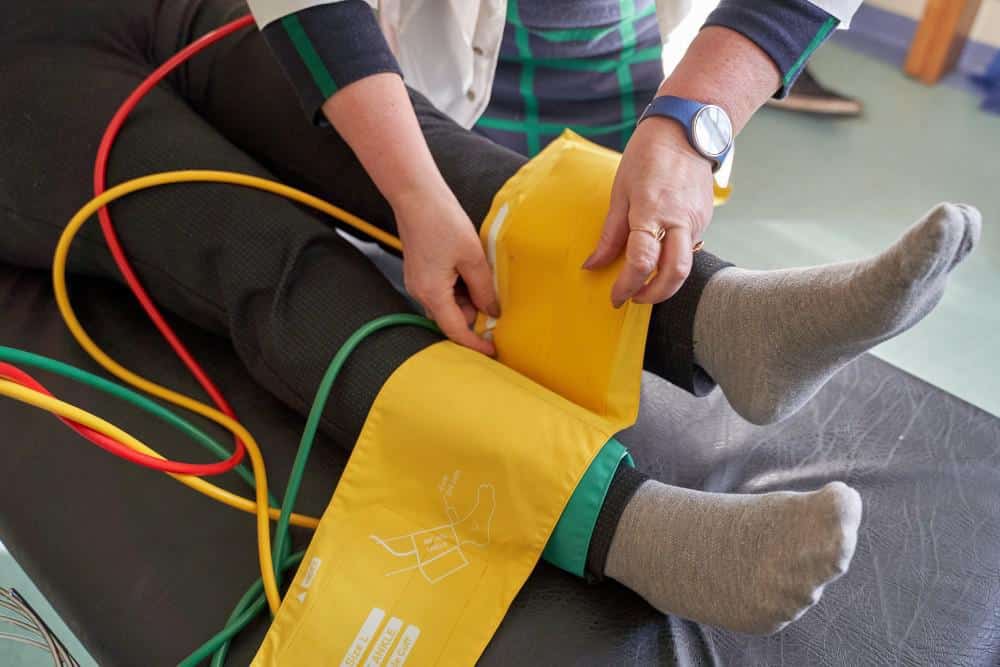
If you have risk factors for PAD, talk to your doctor about screening. A simple, painless test called the ankle-brachial index (ABI) can detect PAD. Early detection and treatment can help prevent the progression of the disease and reduce your risk of heart attack and stroke.