Health Tips
Heart Health in Women: Unique Risks and Prevention Strategies
Peak Heart & Vascular Team
March 20, 2024
2 min read
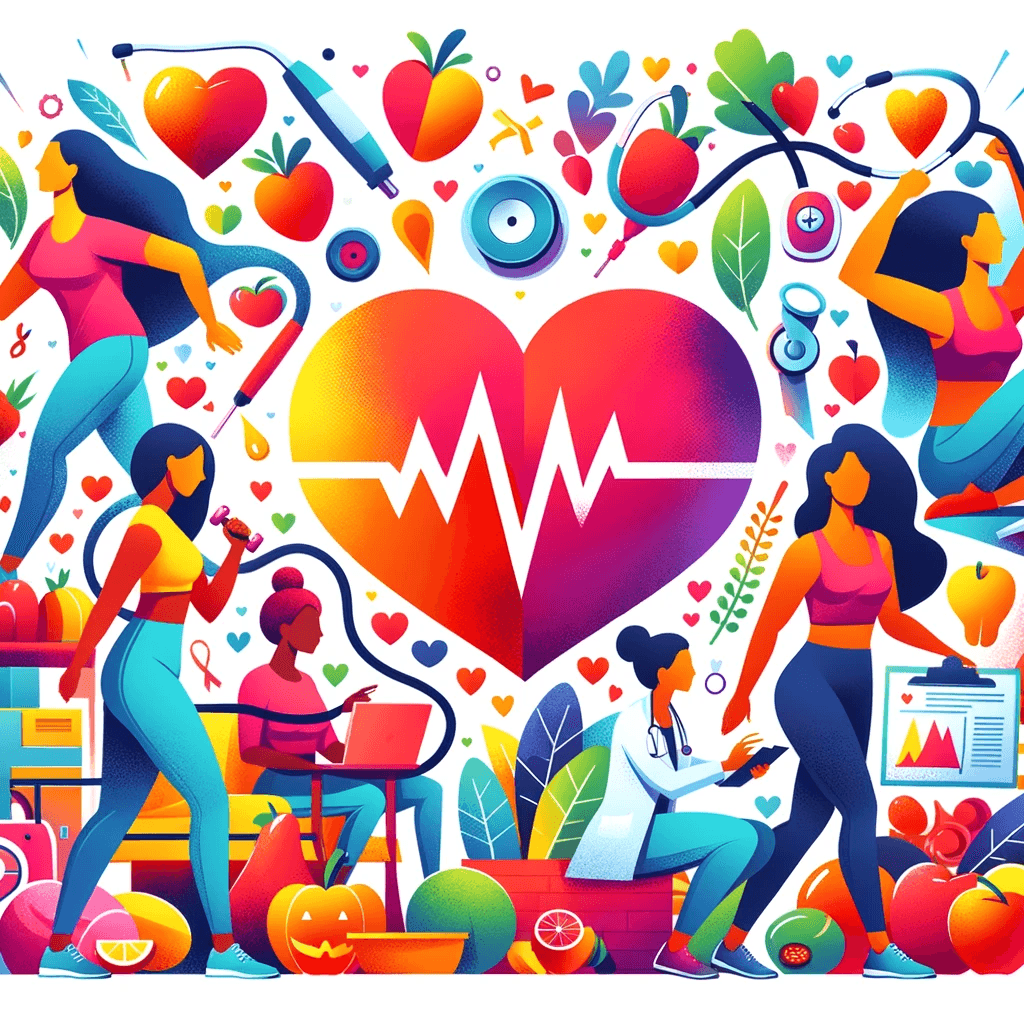
Heart disease is the leading cause of death for women in the United States, yet it's often considered a "man's disease." Women face unique cardiovascular risks and may experience heart disease differently than men. Understanding these differences is crucial for prevention and early detection.
Heart Disease in Women: The Facts
- Heart disease kills more women than all cancers combined.
- Women are more likely to die from their first heart attack than men.
- Women often develop heart disease 7-10 years later than men, but catch up after menopause.
- Only about half of women recognize heart disease as their greatest health threat.
Unique Risk Factors for Women
In addition to traditional risk factors, women face additional risks:
- Pregnancy Complications: Gestational diabetes, preeclampsia, and gestational hypertension increase lifetime cardiovascular risk.
- Polycystic Ovary Syndrome (PCOS): Associated with metabolic issues that increase heart risk.
- Autoimmune Diseases: Conditions like lupus and rheumatoid arthritis, more common in women, increase cardiovascular risk.
- Menopause: Loss of estrogen's protective effects increases risk after menopause.
- Depression and Stress: These affect women's hearts more than men's.
- Breast Cancer Treatment: Some cancer therapies can affect heart health.
Different Symptoms
Women may experience heart attack symptoms differently:
- Women are more likely to have symptoms other than chest pain.
- Common symptoms include shortness of breath, nausea, back or jaw pain, and extreme fatigue.
- Symptoms may come on gradually rather than suddenly.
- Women often describe chest discomfort as pressure or tightness rather than pain.
Underdiagnosis and Undertreatment
Women face challenges in getting proper cardiovascular care:
- Women are less likely to be referred for cardiac testing.
- Heart disease may be missed because symptoms differ from the "classic" presentation.
- Women are less likely to receive aggressive treatment.
- Women are underrepresented in cardiovascular research studies.
Prevention Strategies for Women
- Know Your Numbers: Blood pressure, cholesterol, blood sugar, and BMI.
- Get Active: Aim for at least 150 minutes of moderate exercise weekly.
- Eat Heart-Healthy: Emphasize fruits, vegetables, whole grains, and lean proteins.
- Maintain a Healthy Weight: Especially important after menopause.
- Don't Smoke: Smoking is an even stronger risk factor for heart attack in women than men.
- Manage Stress: Practice stress-reduction techniques.
- Know Your History: Share pregnancy complications and family history with your doctor.
Be Your Own Advocate
Women must advocate for their heart health. If you experience symptoms or have concerns, speak up. Request appropriate testing. Don't let anyone dismiss your symptoms. Your heart health matters.