Reemplazo de Válvula Aórtica: Indicaciones y Opciones de Tratamiento
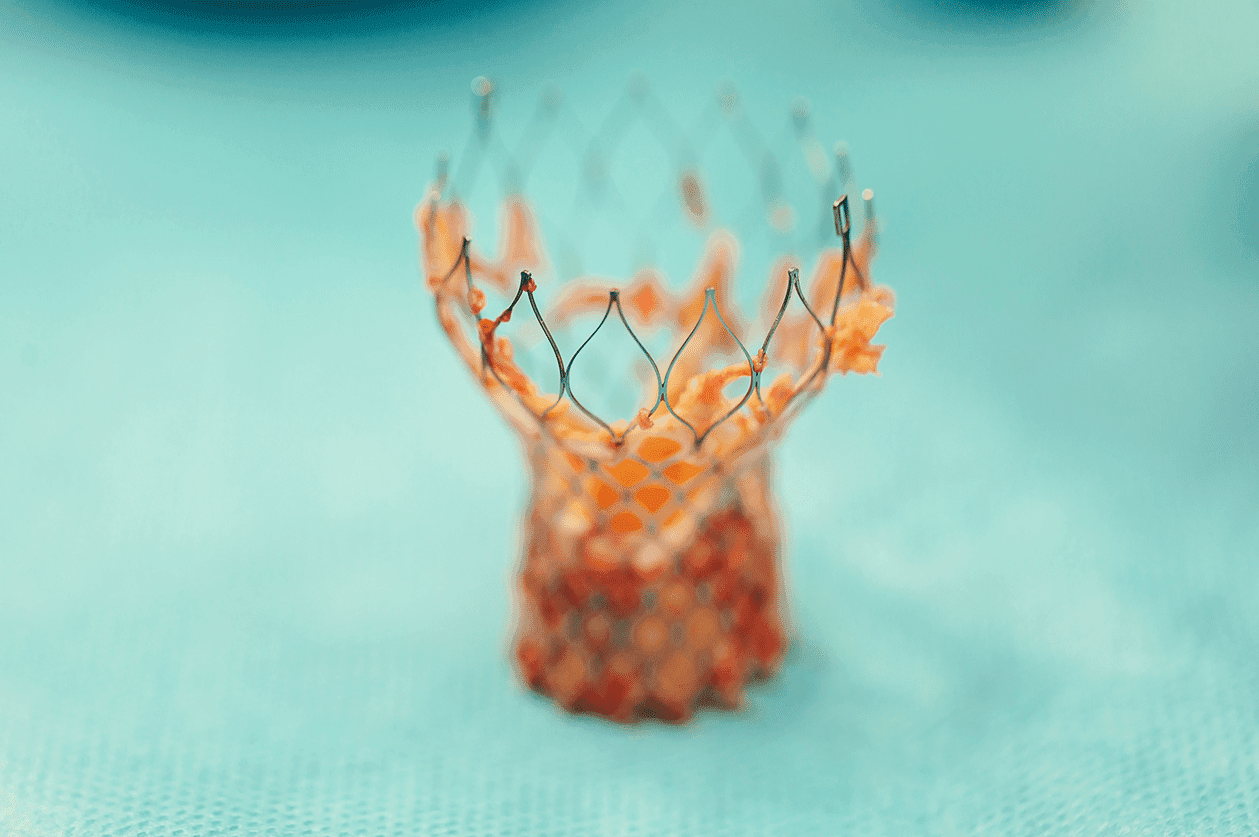
La válvula aórtica controla el flujo de sangre desde la cámara de bombeo principal del corazón hacia el resto del cuerpo. Cuando esta válvula se enferma, puede ser necesario reemplazarla para restaurar la función cardíaca normal y prevenir complicaciones graves.
¿Cuándo es necesario el reemplazo de la válvula aórtica?
El reemplazo de la válvula puede recomendarse en los siguientes casos:
- Estenosis aórtica: Estrechamiento de la válvula que restringe el flujo sanguíneo. Los síntomas incluyen dolor en el pecho, dificultad para respirar, fatiga y desmayos.
- Regurgitación aórtica: Cuando la válvula no cierra correctamente, permitiendo que la sangre fluya hacia atrás. Puede provocar agrandamiento e insuficiencia cardíaca.
- Síntomas graves: Cuando la enfermedad valvular causa síntomas significativos que afectan la calidad de vida.
- Daño cardíaco: Cuando el corazón comienza a debilitarse debido a la enfermedad valvular, incluso antes de que aparezcan los síntomas.
Opciones de tratamiento
Existen varios enfoques para el reemplazo de la válvula aórtica:
Reemplazo quirúrgico de la válvula aórtica (SAVR)
La cirugía cardíaca abierta tradicional sigue siendo el estándar de oro para muchos pacientes:
- Requiere abrir el tórax y utilizar una máquina de circulación extracorpórea
- Permite visualización directa y colocación precisa de la válvula
- Excelentes resultados a largo plazo con décadas de datos
- Mejor opción para pacientes más jóvenes y con menor riesgo
Reemplazo transcatéter de la válvula aórtica (TAVR)
Una alternativa mínimamente invasiva mediante catéteres:
- La nueva válvula se coloca a través de un catéter, generalmente por la arteria de la pierna
- No requiere incisión en el tórax ni máquina de circulación extracorpórea
- Estancia hospitalaria más corta y recuperación más rápida
- Originalmente para pacientes de alto riesgo, ahora aprobado para todos los niveles de riesgo
- Excelentes resultados comparables a la cirugía en muchos pacientes
Tipos de válvulas
Las válvulas de reemplazo existen en dos tipos principales:
- Válvulas mecánicas: Fabricadas con materiales duraderos, pueden durar toda la vida, pero requieren anticoagulantes de por vida.
- Válvulas biológicas (de tejido): Fabricadas con tejido animal, no requieren anticoagulantes a largo plazo, pero pueden desgastarse después de 10 a 20 años.
Cómo elegir el enfoque correcto
El mejor tratamiento depende de múltiples factores:
- Edad y esperanza de vida
- Estado de salud general y riesgo quirúrgico
- Anatomía del corazón y los vasos sanguíneos
- Presencia de otras enfermedades cardíacas
- Preferencias del paciente y estilo de vida
La vida después del reemplazo valvular
La mayoría de los pacientes experimenta una mejora significativa en los síntomas y la calidad de vida después del reemplazo valvular. El seguimiento incluye ecocardiogramas regulares para monitorear la función de la válvula y controles cardíacos periódicos.
Si le han dicho que tiene enfermedad de la válvula aórtica, consulte con un equipo de cardiología que ofrezca tanto opciones quirúrgicas como transcatéter para determinar el mejor enfoque para su situación individual.