6 Common Myths About Atrial Fibrillation Debunked
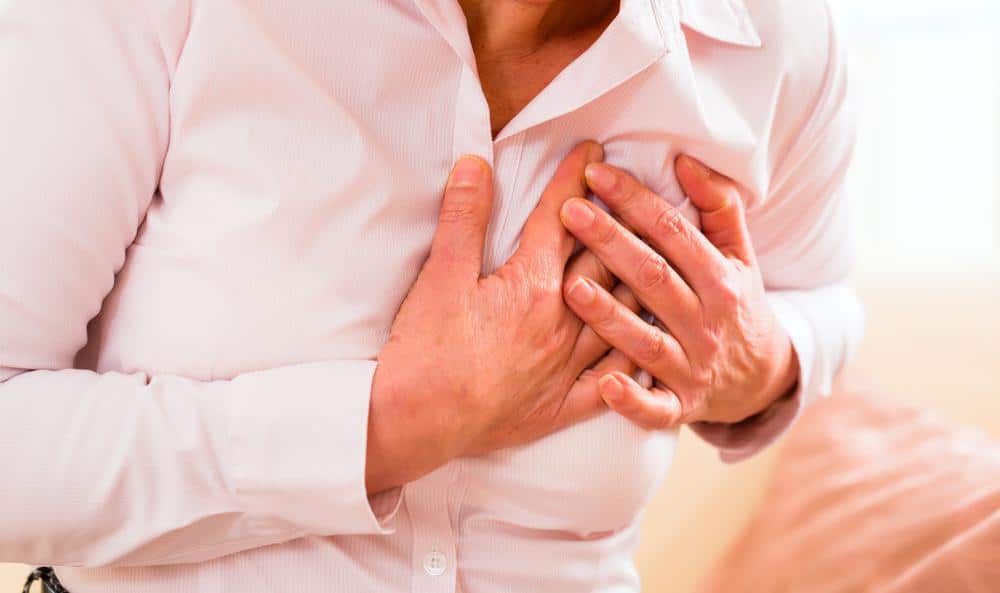
Atrial fibrillation (AFib) is the most common heart rhythm disorder, yet it remains widely misunderstood. Let's separate fact from fiction by debunking six common myths about this condition.
Myth 1: AFib Only Affects Older People
Fact: While the risk of AFib increases with age, it can occur at any age. Younger people can develop AFib, especially those with other heart conditions, high blood pressure, obesity, or who engage in excessive alcohol consumption. Athletes may also be at increased risk due to the effects of intense exercise on the heart.
Myth 2: If I Don't Feel Symptoms, AFib Isn't Dangerous
Fact: Many people with AFib experience no symptoms at all, but the condition still increases stroke risk by five times. The irregular heartbeat can cause blood to pool in the heart, forming clots that can travel to the brain. Regular monitoring and appropriate treatment are essential even without symptoms.
Myth 3: AFib Will Always Cause a Stroke
Fact: While AFib significantly increases stroke risk, not everyone with AFib will have a stroke. With proper management, including blood thinners when recommended and other treatments, the risk can be substantially reduced. Your doctor will assess your individual risk factors to determine the best treatment approach.
Myth 4: Exercise Is Dangerous With AFib
Fact: For most people with AFib, regular moderate exercise is not only safe but beneficial. Exercise can help manage weight, reduce blood pressure, and improve overall cardiovascular health. However, it's important to work with your doctor to determine the appropriate type and intensity of exercise for your situation.
Myth 5: AFib Can't Be Treated
Fact: Multiple effective treatments exist for AFib, including medications to control heart rate and rhythm, blood thinners to prevent stroke, cardioversion to restore normal rhythm, and catheter ablation to eliminate the abnormal electrical signals causing AFib. Many patients achieve excellent control of their condition.
Myth 6: Caffeine Always Triggers AFib
Fact: While some people with AFib are sensitive to caffeine, research shows that moderate caffeine consumption does not increase AFib risk for most people. However, individual responses vary, and it's wise to monitor how caffeine affects your heart rhythm and discuss this with your doctor.
Take Control of Your Heart Health
Understanding the facts about AFib empowers you to make informed decisions about your health. If you have AFib or risk factors for the condition, work closely with a cardiovascular specialist to develop an appropriate management plan.